Caring for Your Ballet Shoes Properly
Proper care prevents ballet shoes from breaking down after only a few weeks of practice. Sweat, repeated friction, and improper storage can cut the life of canvas and leather shoes in half, turning a pair meant to last two months into one that fails in three weeks. The soft soles lose shape quickly when they dry unevenly or are left in crowded bags. Over time, dirty fabric and worn seams make balance and footwork less precise, especially during daily classes or rehearsals.
Why Do Ballet Shoes Wear Out Fast
Frequent practice schedules and rough studio surfaces put significant strain on ballet shoes. Sweat, friction, and repeated pressure from jumps or turns quickly break down the fabric and the soles. Some dancers notice their shoes lose structure and grip after only a few classes compared to those who rotate pairs or train on smoother floors.
Common Mistakes That Shorten Lifespan
Sweat and friction quickly break down delicate ballet shoe materials during intense rehearsals. Overlooked habits speed up wear even more when combined with moisture or street debris.
| Mistake | Immediate Effect | Long-Term Impact | Typical Sign |
|---|---|---|---|
| Wearing shoes outdoors | Exposes soles to grit and oil | Premature breakdown of canvas or leather | Blackened, rough soles |
| Never rotating pairs | Single set absorbs all moisture and strain | Faster fabric fatigue and odor build up | Permanent creases and lingering smell |
| Machine washing | Distorts fit and weakens stitching | Shortens usable life through fabric thinning | Loose seams or misshapen toe box |
| Storing in sealed bags | Traps dampness after use | Encourages mildew and hardening of material | Stiff, musty interior |
| Skipping spot cleaning | Allows sweat and dirt to set in | Stubborn stains and weakened fibers | Faded patches and cracking |
| Overtightening drawstrings | Puts strain on binding and upper | Early fraying or tearing at seams | Puckered or split edges |
Machine washing can seem convenient but often destroys the fit after only a few cycles. Drying shoes in open air right after practice helps preserve the shape and material.
How Different Surfaces Affect Shoes
Smooth studio flooring preserves the integrity of ballet shoes far longer than concrete or rough wood. Hard outdoor surfaces strip away the sole's protective finish and grind down the fabric within days. Each stage of damage on unsuitable ground happens in a specific order:
- First, abrasive surfaces catch and pull at the satin or canvas, causing visible snags and tears.
- Next, tiny grit particles become trapped in the sole, gradually shredding the inner lining with every step.
- Third, uneven ground bends the shoe unnaturally, cracking the shank and weakening support.
- Finally, repeated contact with rough materials flattens the box and ruins the fit, making the shoe unsafe for pointe work.
Dancers sometimes underestimate the harm from even short walks on rough ground. Carrying a clean spare pair keeps performance shoes free from outdoor wear and structural breakdown.
Material fatigue and environmental factors both shorten the lifespan of ballet shoes. Regularly inspecting shoes for damage helps prevent slips and injuries during class or performance.
How Should I Clean Ballet Shoes Safely
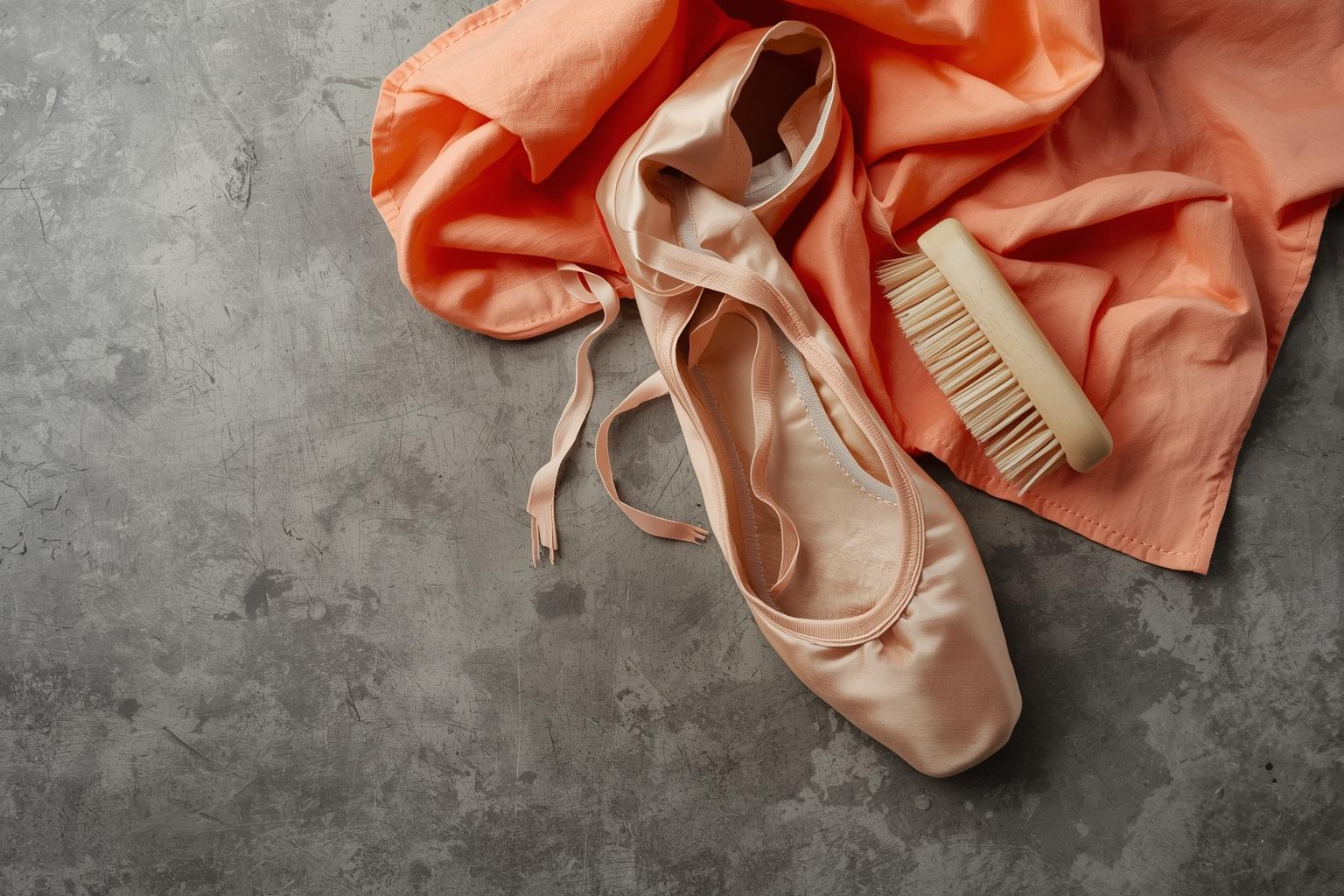
Ballet shoes react differently to moisture, friction, and cleaning products depending on their material. Canvas, leather, and satin each face unique risks from common cleaning habits. Damage from the wrong method can shorten their life or affect performance on stage.
Cleaning Canvas Versus Leather Shoes
Canvas ballet shoes tolerate water exposure, while leather options react poorly to excess moisture. This difference shapes which cleaning methods succeed and which cause damage.
Canvas shoes can go through a gentle machine wash on a cold cycle, but leather shoes require a soft cloth and minimal water. Soap with a neutral pH works for canvas, yet on leather it may cause cracking or discoloration. Harsh detergents shorten a leather shoe's life but barely affect canvas.
Direct sunlight dries canvas quickly, but it warps and stiffens leather. Canvas dries fully within hours on a rack, while leather may stay damp and develop mold if not handled carefully.
Leather that is cleaned like canvas often cracks or loses shape. A soft brush and diluted soap keep both materials intact without risking structural damage.
Spot Cleaning Satin Ballet Shoes
Satin ballet shoes show stains quickly because of their pale, smooth surface. Moisture and heat can warp the fabric or leave permanent water lines. Cleaning methods depend on the type of mark and how deeply it has set:
- Blotting with a soft cloth – removes fresh spills without spreading them
- Cornstarch application – lifts oily marks by absorbing residue
- Diluted gentle soap dab – handles makeup or sweat stains with minimal wetting
- White eraser use – fades scuff marks from toe boxes
- Avoiding direct sunlight – prevents yellowing and fabric breakdown
A clean unused makeup sponge can pick up small dust particles in seconds. Quick action on new marks keeps shoes looking stage ready much longer.
Proper cleaning extends the lifespan and comfort of ballet footwear. Mild techniques and specific products help preserve both fit and appearance.
What Happens If I Store Shoes Wrong
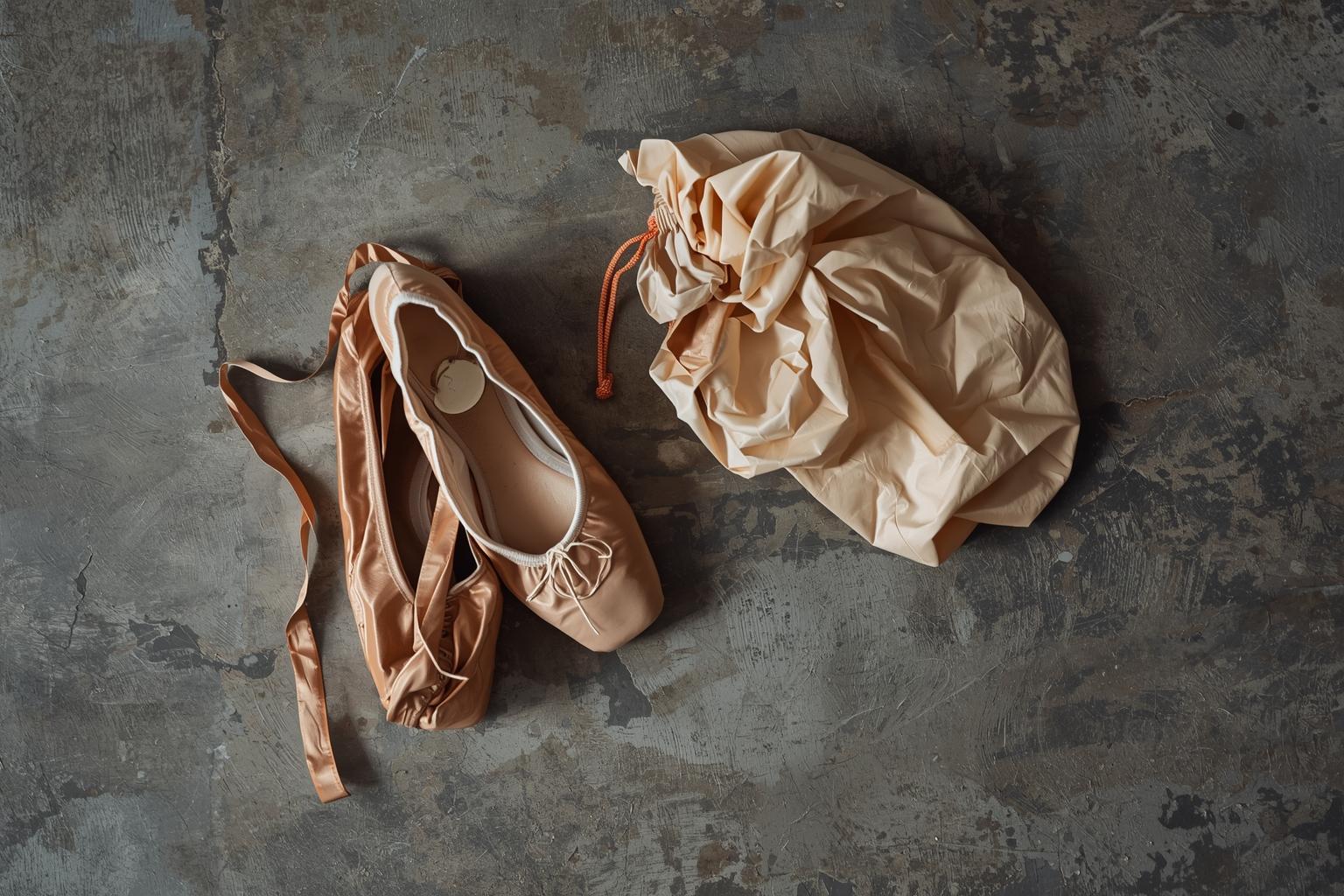
Soft leather ballet shoes left in airtight gym bags overnight often develop a strong musty smell by morning. Moisture trapped inside accelerates damage, especially during humid weather.
- shoes keep their original color longer
- soles remain flexible
- fabric stays smooth without creases
- mold forms inside within days
- persistent odor clings even after airing
- shapes collapse quickly, especially near the toes
Drying shoes for at least twelve hours prevents most storage problems. A paper insert inside helps keep the toe box upright and free of moisture.
When Should I Replace My Ballet Shoes
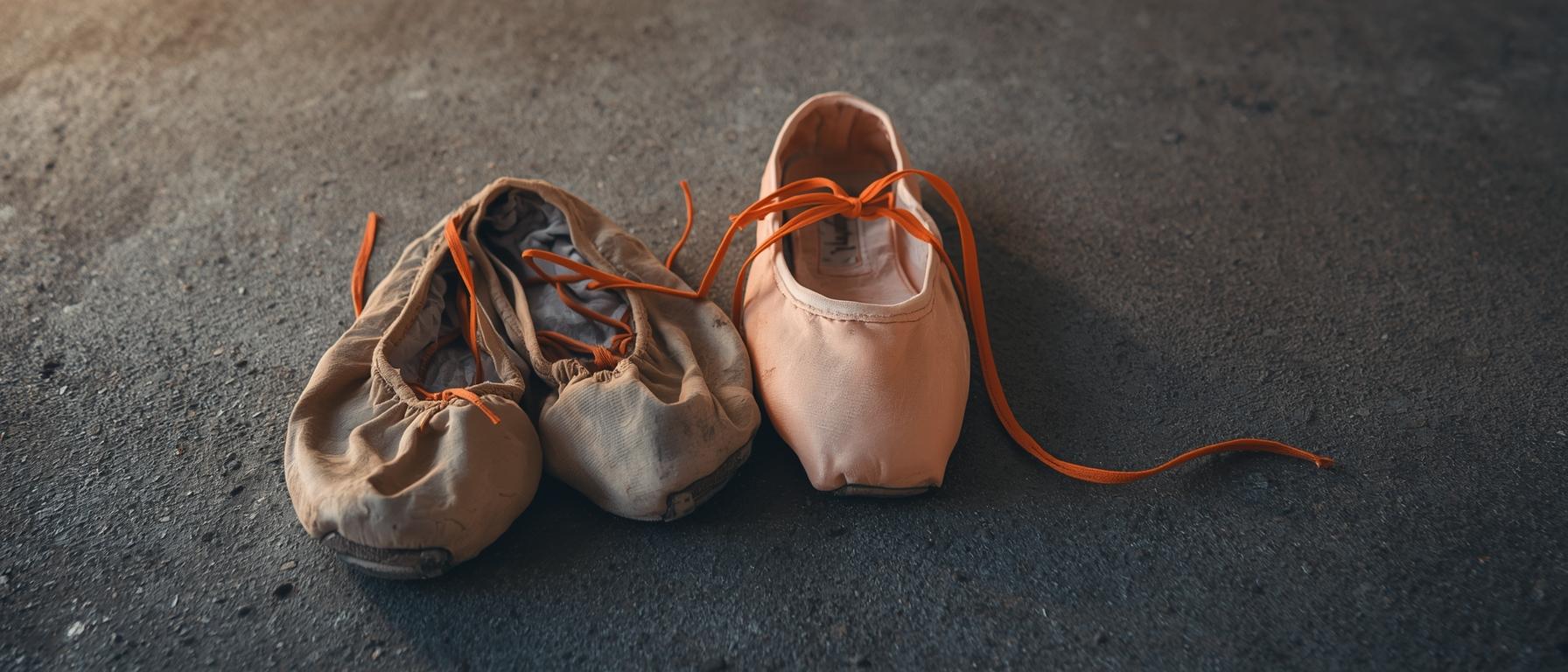
Soft leather loses its shape after repeated classes and sweat breaks down stitching. Reliable support and traction both suffer when materials degrade beyond a certain point. Typical warning signs include:
- Fraying seams – visible threads or split joins at the toe or heel
- Holes in the sole – worn patches where the foot touches the floor
- Flattened toe box – padding compressed, offering no structure
- Loose elastic – bands no longer hold the shoe snugly
- Rubber split or detaching – outsole peeling or separating from fabric
Worn shoes increase risk of slips or injuries during complex routines. Frequent dancers often need new pairs every few months for consistent performance.